Tuli Safari
Practical information
Location: Mashatu Game Reserve, Botswana
Airport: O.R. International Airport (Johannesburg)
Month: Year round
Duration: 7 nights, 8 days
Group size: Max. 8 riders
Skill level: Confident Intermediate to Advanced
Weight limit: 85 kg
Accommodation: Safari Camp
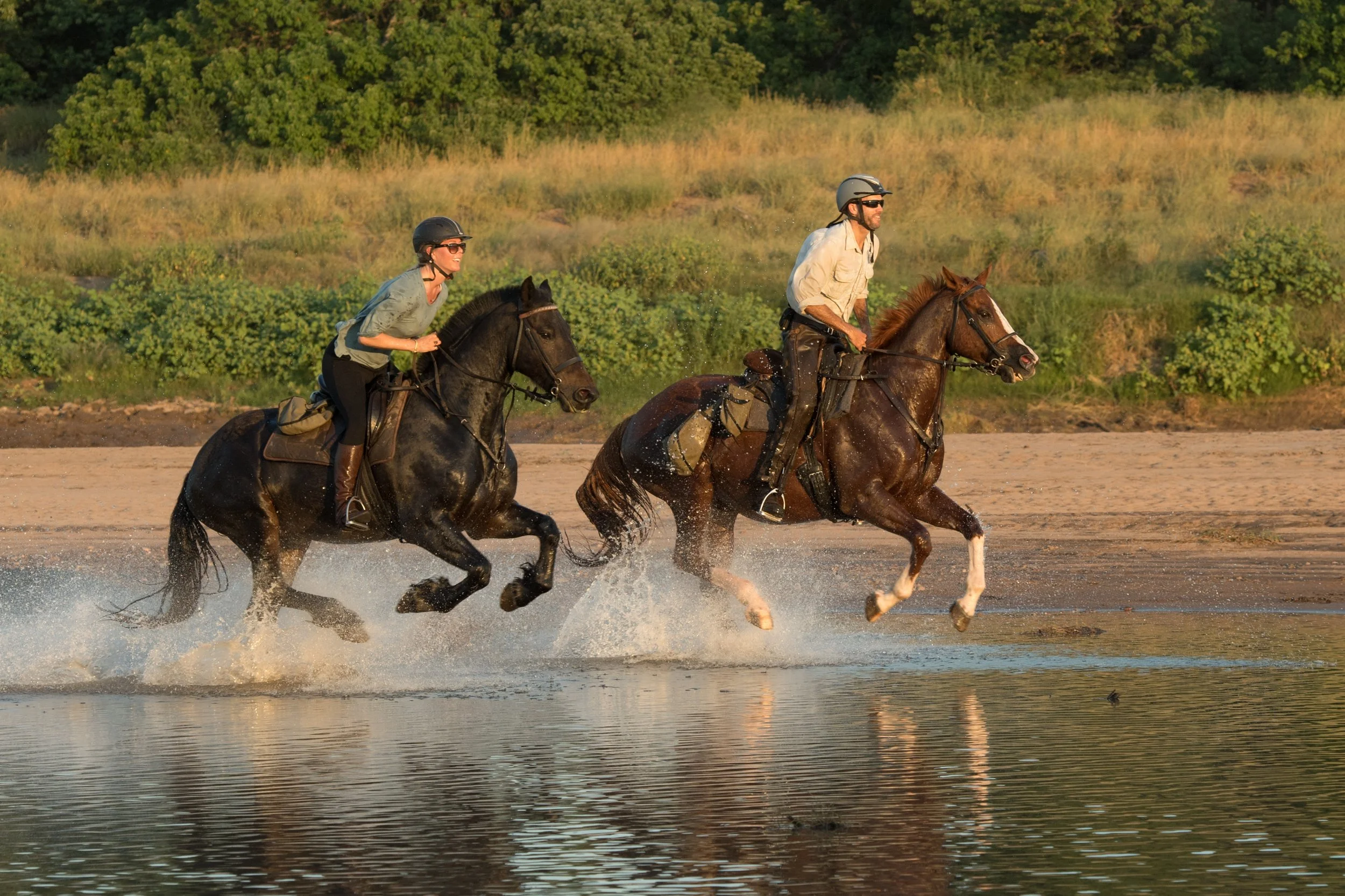
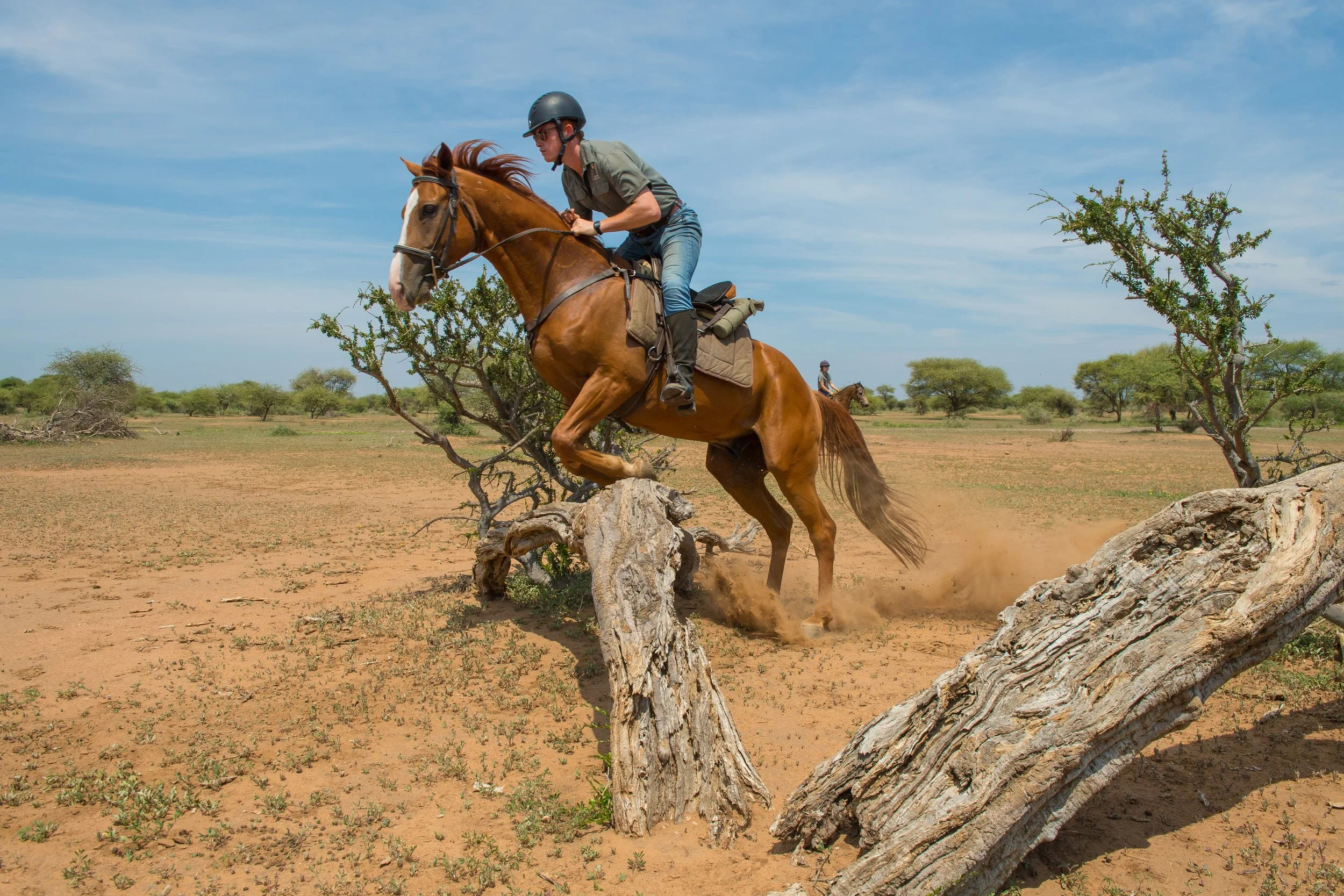
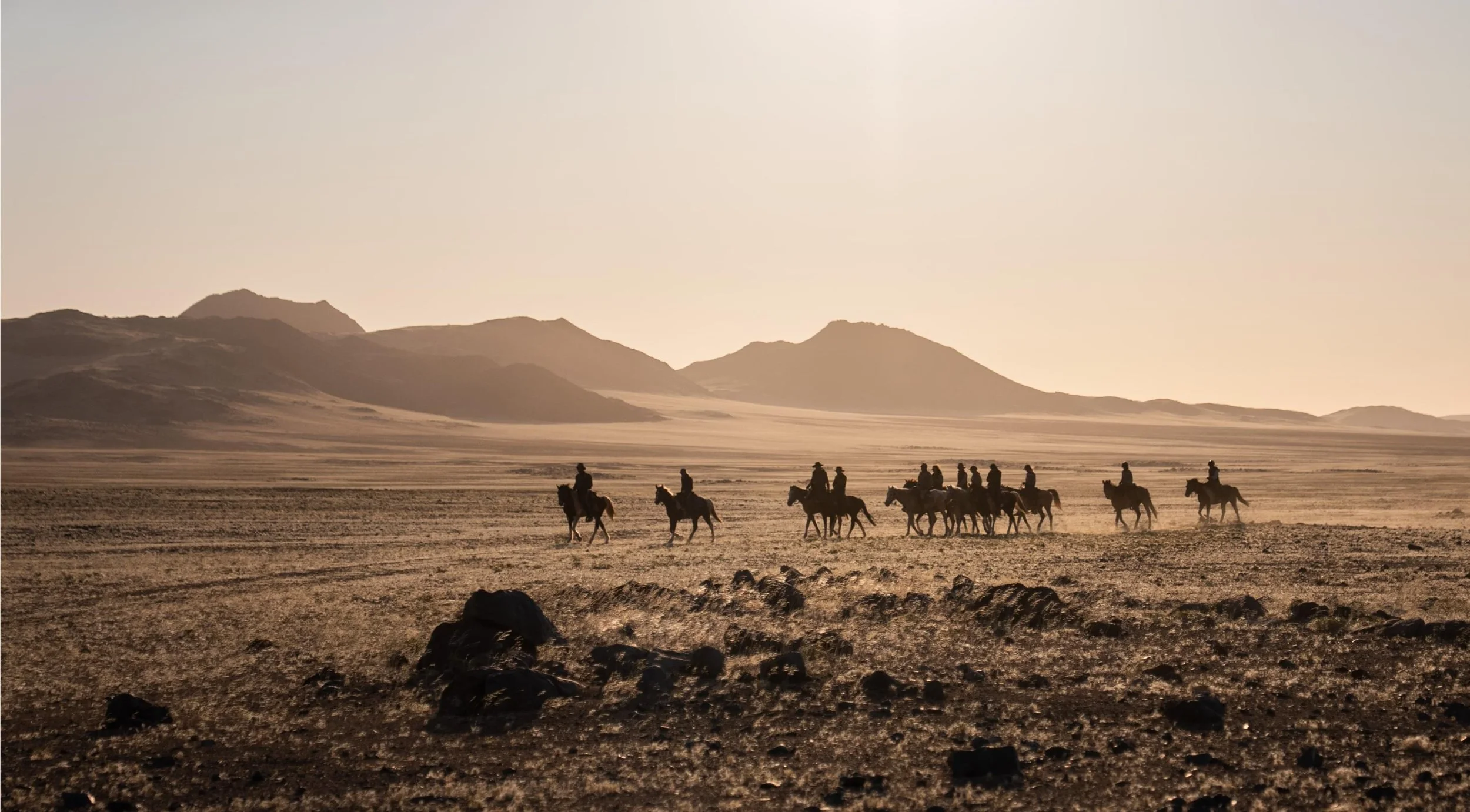
The Tuli Safari is an unforgettable horseback journey through the ancient and untouched landscapes of Botswana’s Mashatu Game Reserve. Over eight days and seven nights, you’ll cover approximately 150 kilometres on horseback, travelling through open plains, river valleys, mopane woodland and dramatic sandstone landscapes.
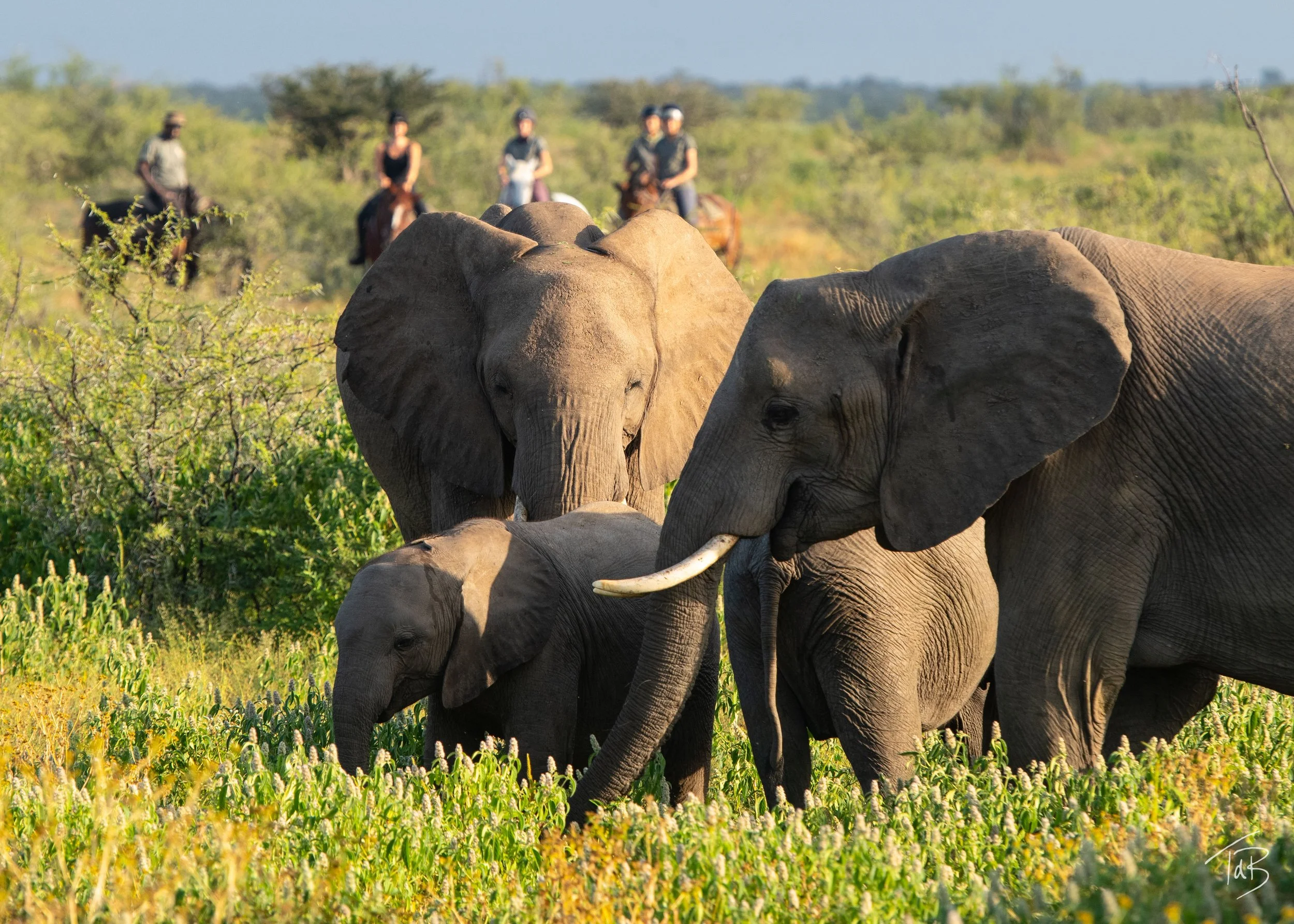
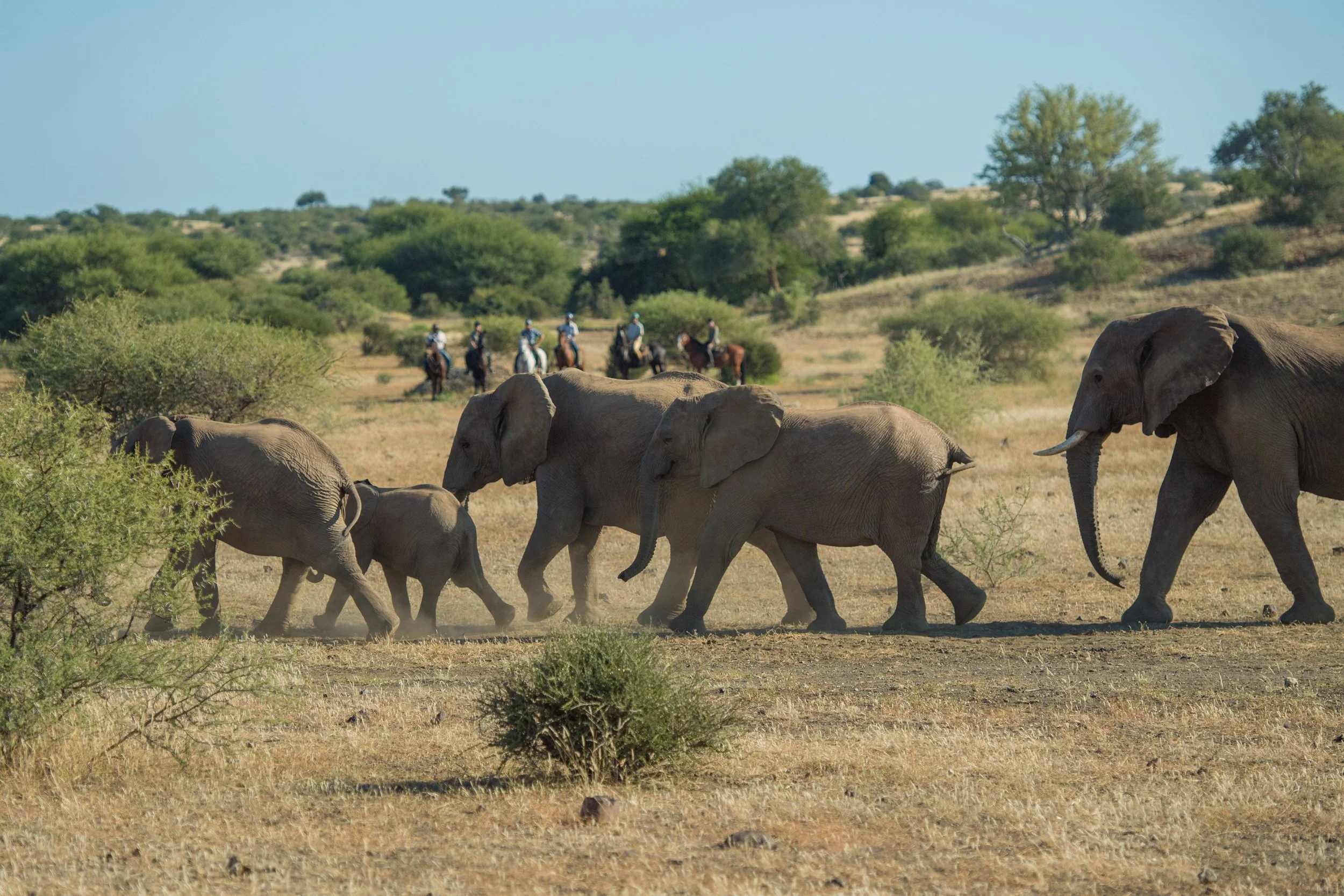
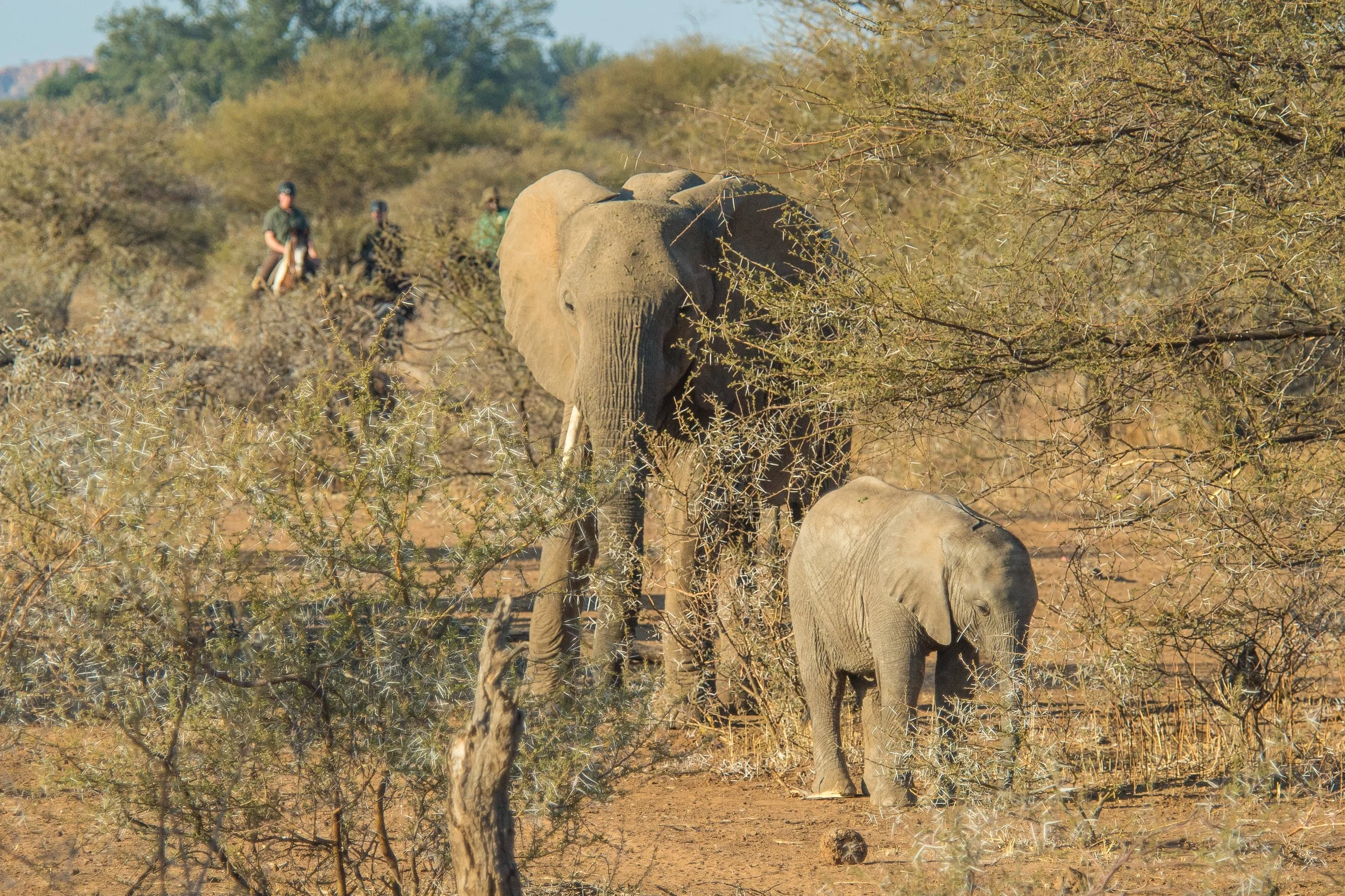
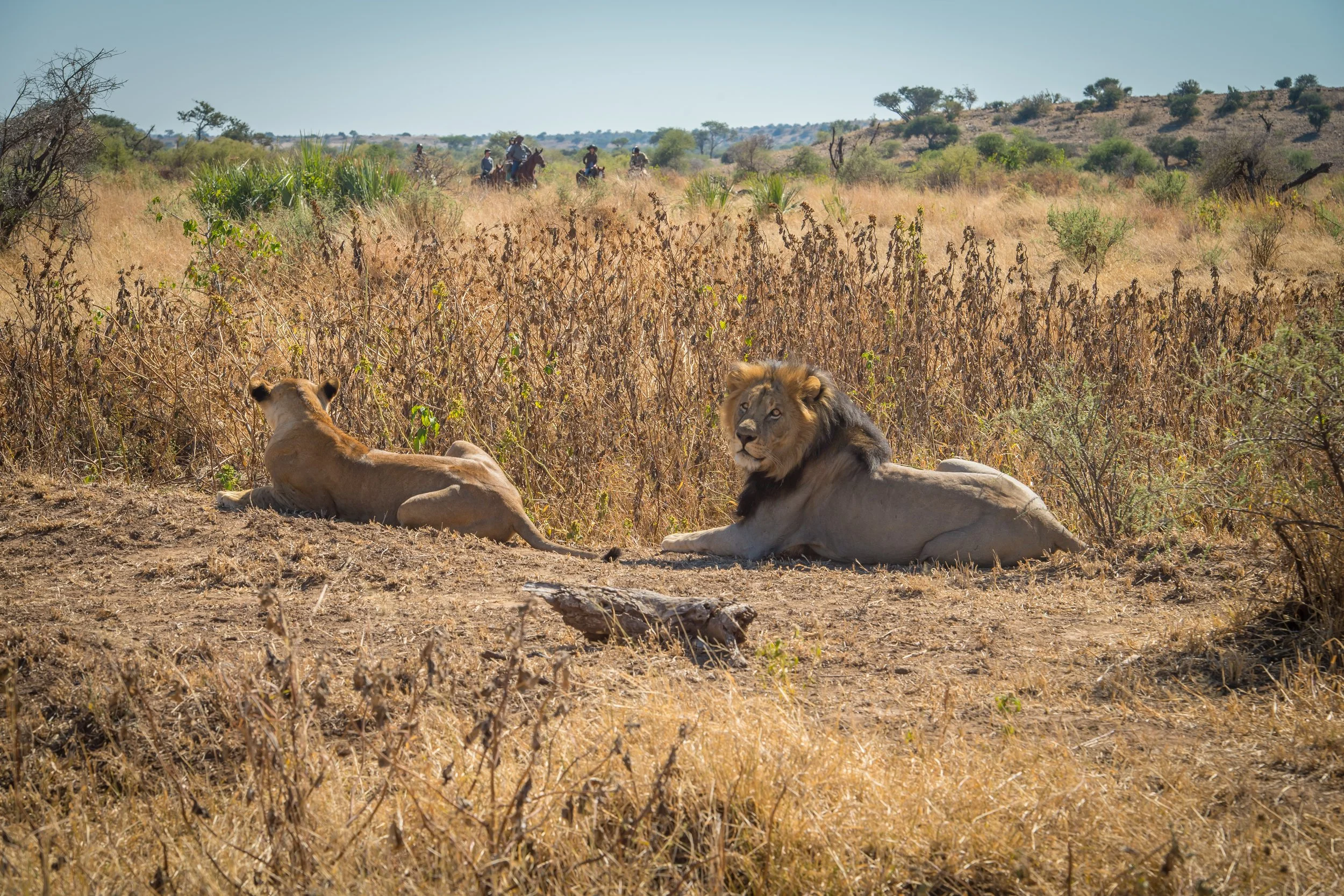
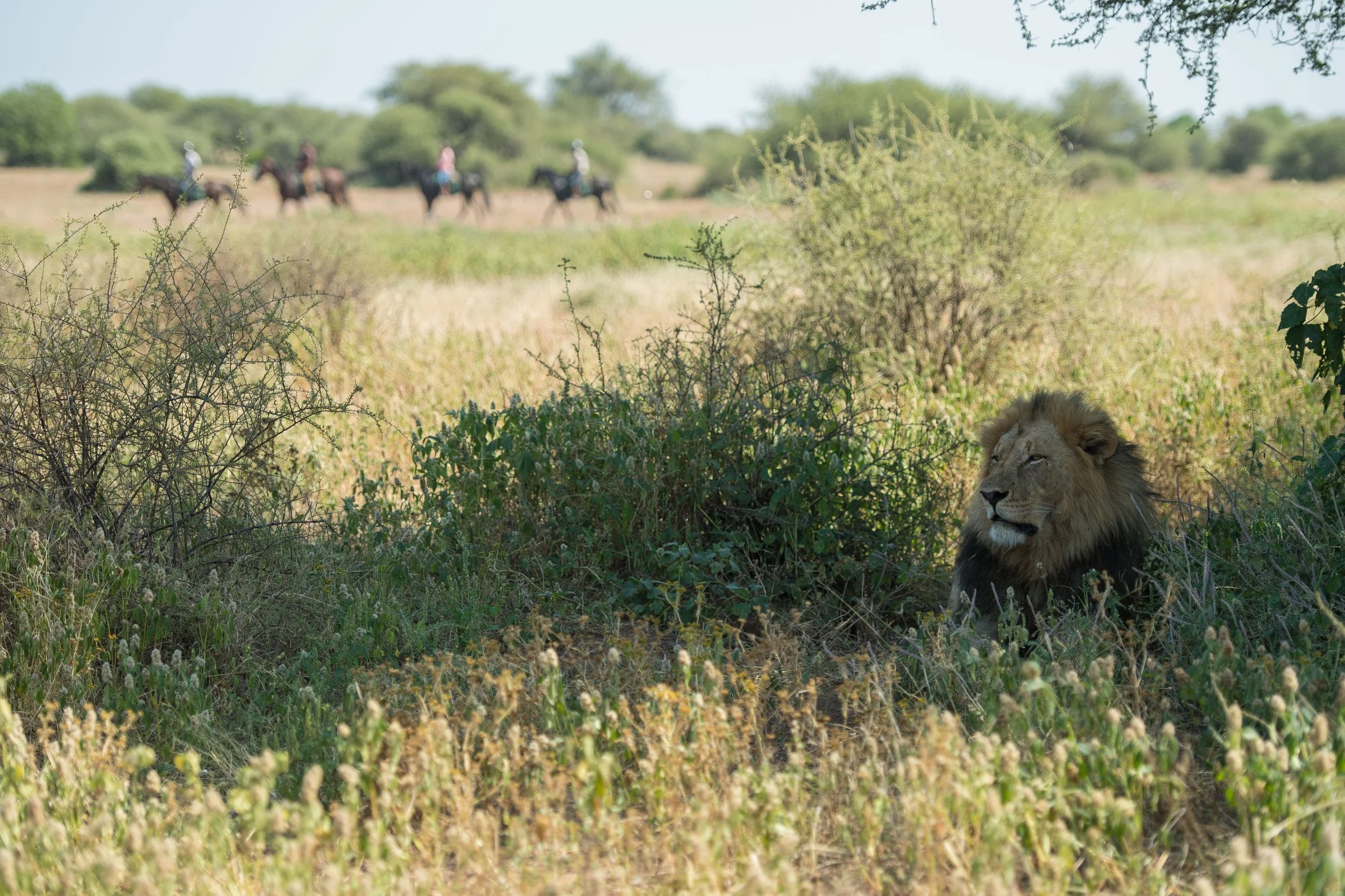
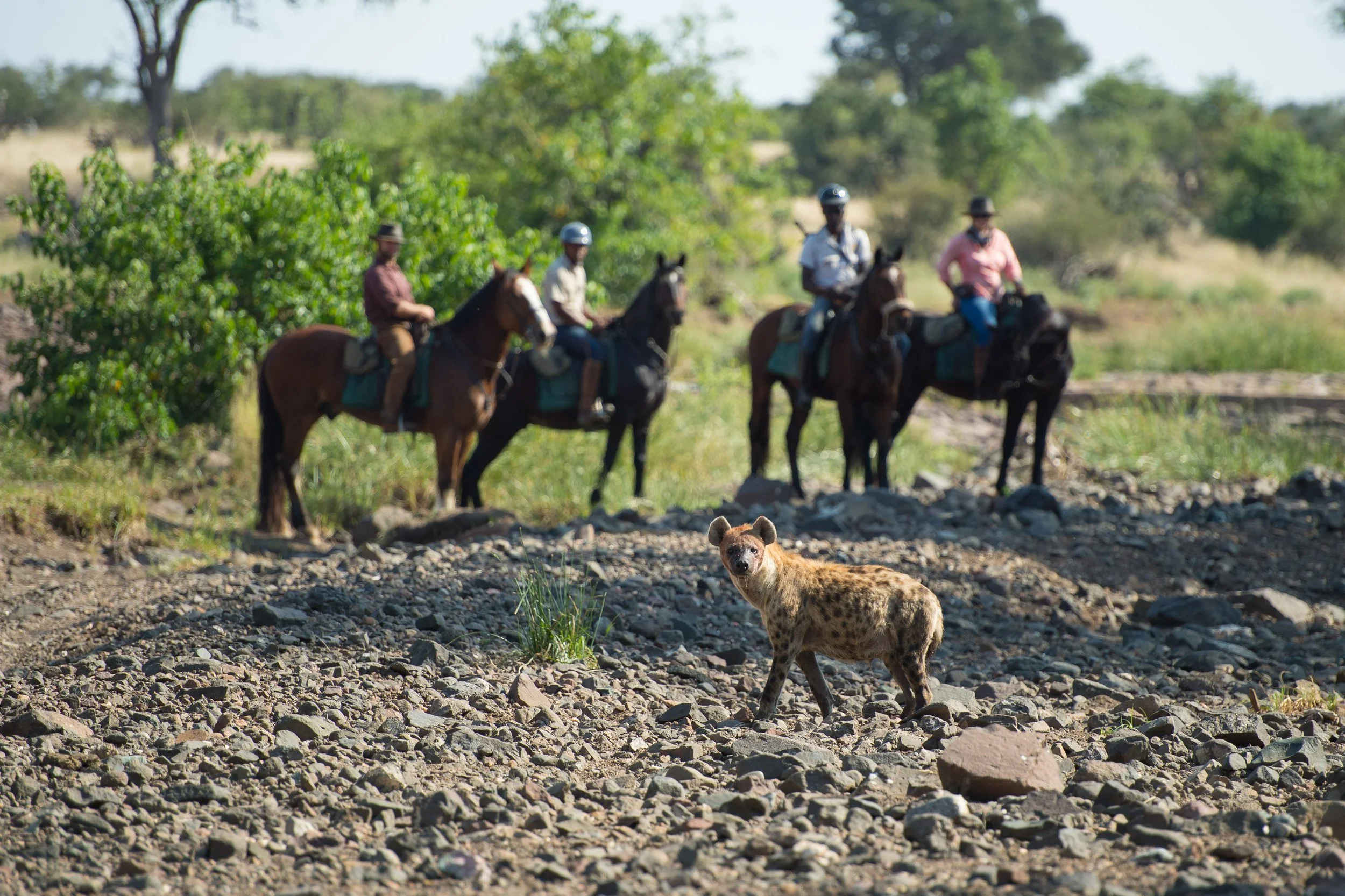
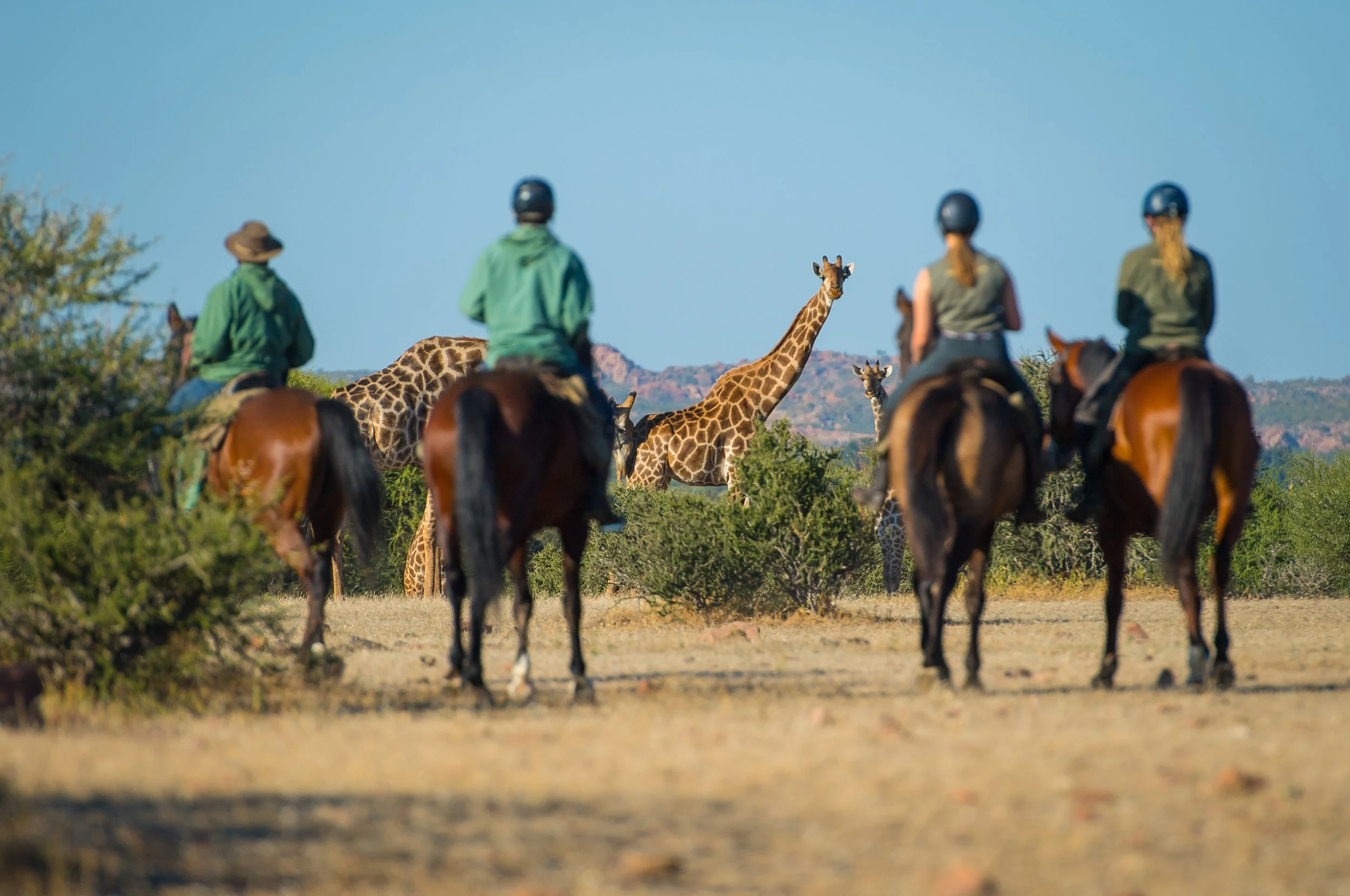
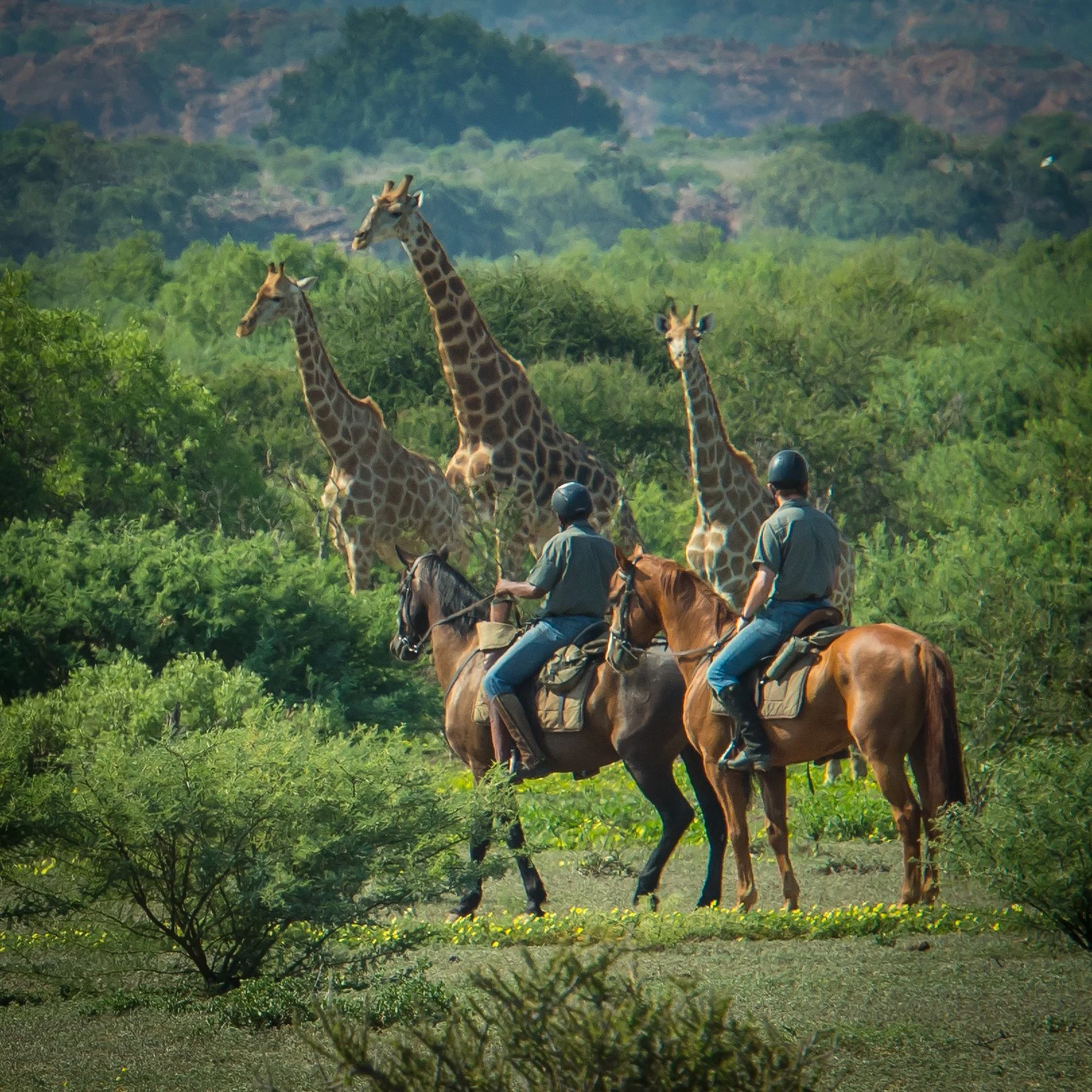
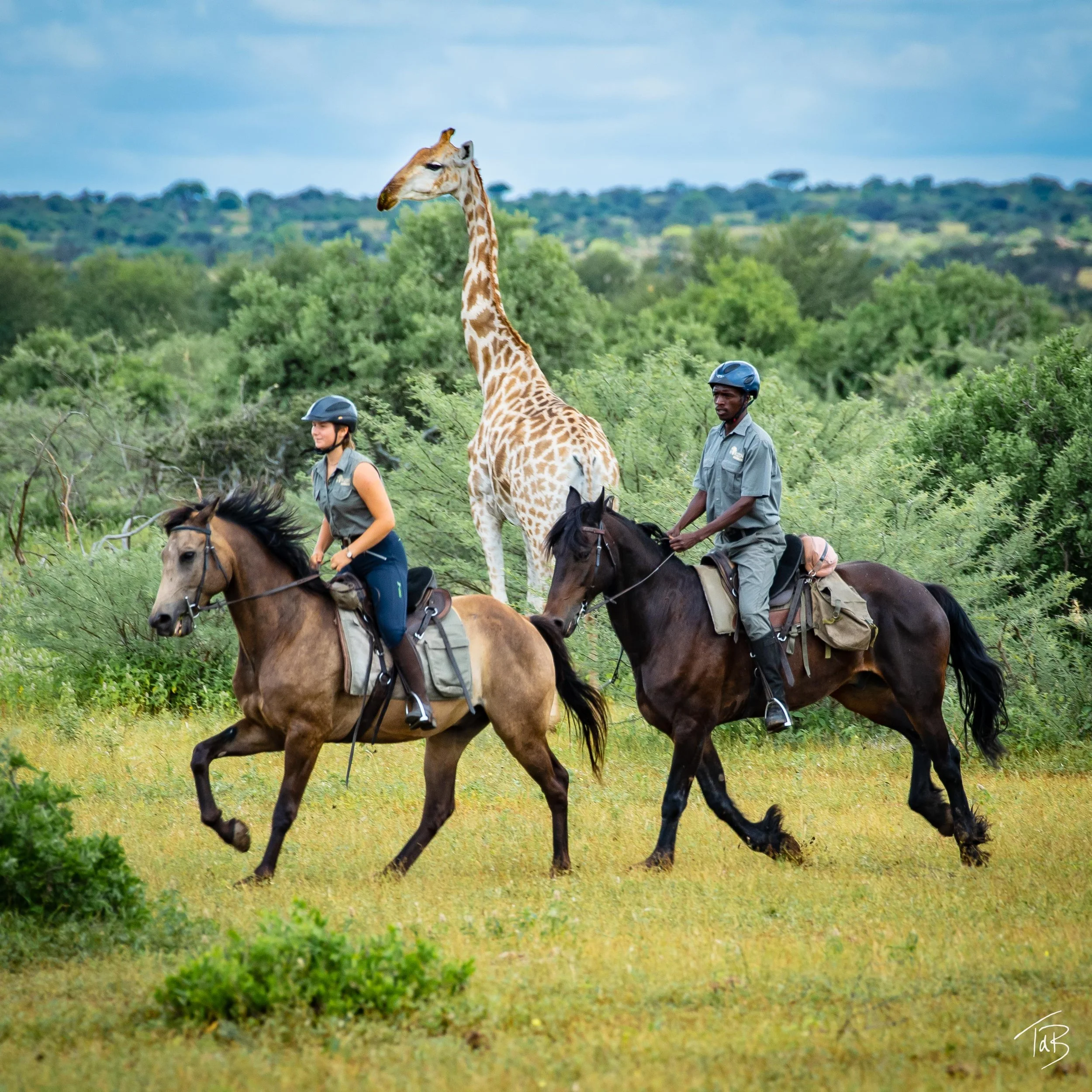
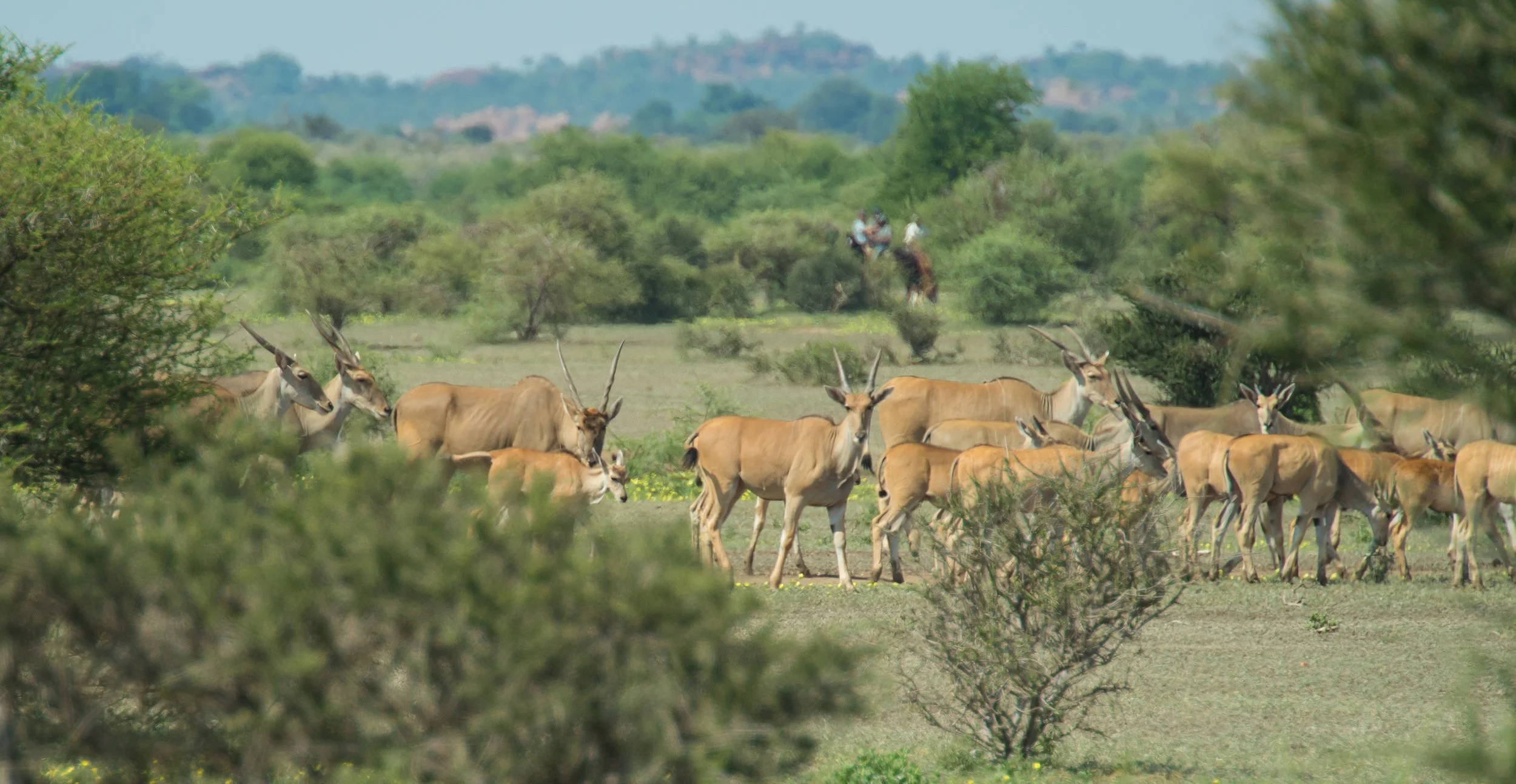
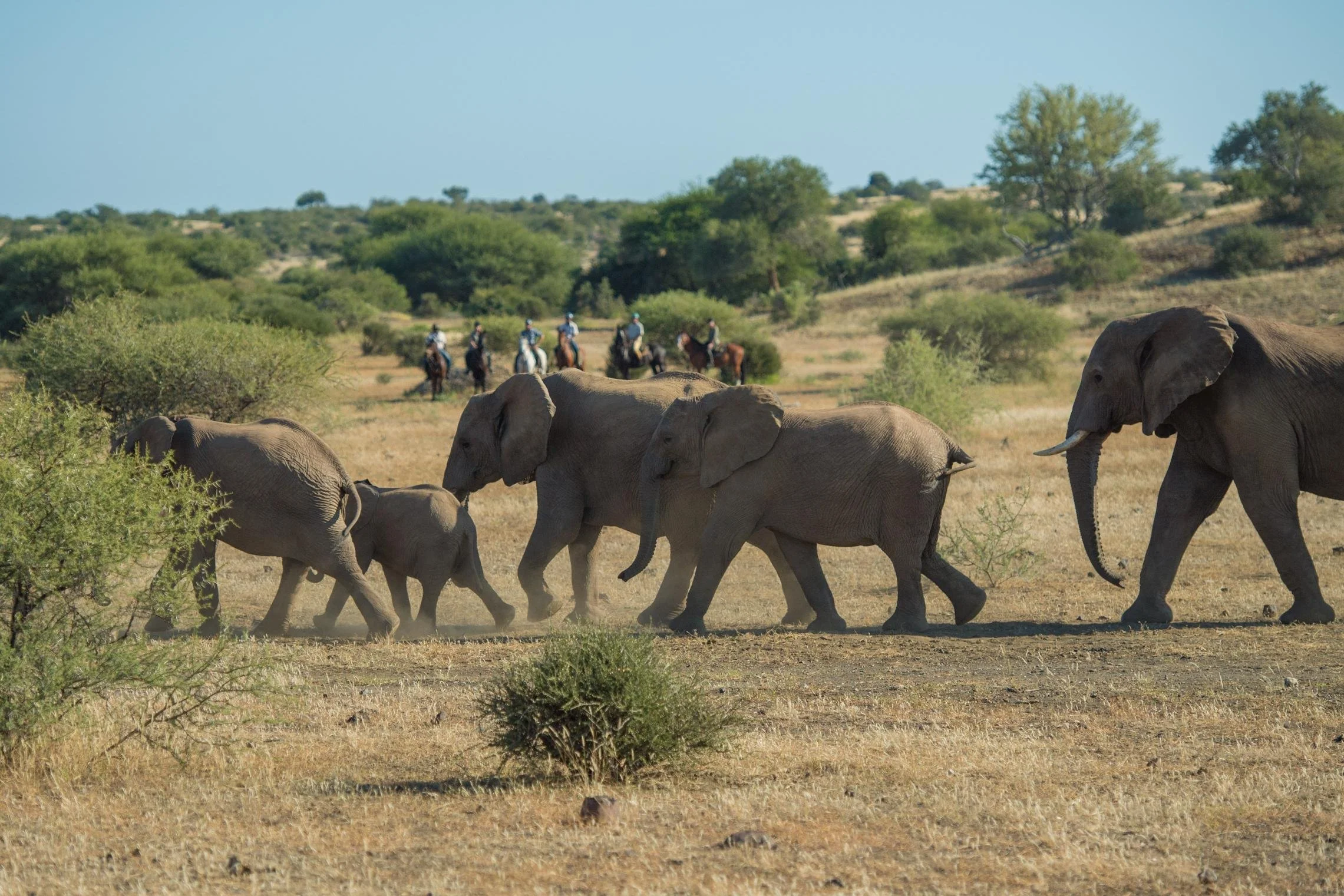
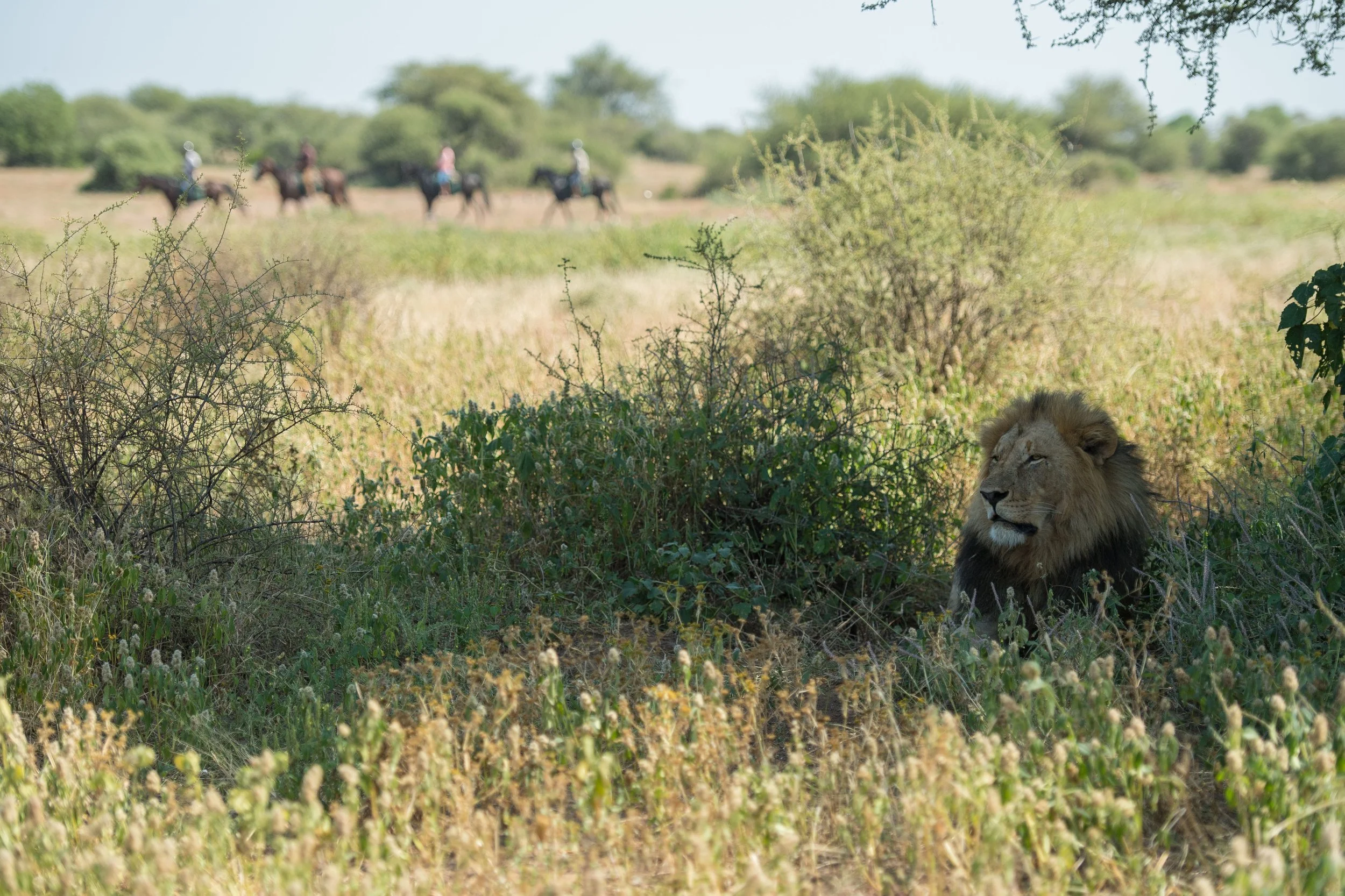
The Tuli is renowned for its exceptional wildlife viewing, with regular encounters with elephants, giraffe, zebra, wildebeest and a wide variety of antelope. The reserve is also home to lion, leopard, cheetah and spotted hyena, adding an exciting element to every day in the saddle. While wildlife encounters can never be guaranteed, the possibility of coming across Africa’s iconic predators is part of what makes this safari so special.
The journey takes you between three unique camps, each offering a completely different experience of the Botswana bush. From the elevated Tree Camp overlooking the Majale River to the open-air Kgotla and the peaceful setting of Two Mashatus, every stop along the way becomes part of the adventure.
With excellent horses, experienced guides, long days in the saddle and a true sense of travelling through the wilderness on horseback, the Tuli Safari is an exceptional adventure for riders looking to experience Botswana from a different perspective.
What to expect?
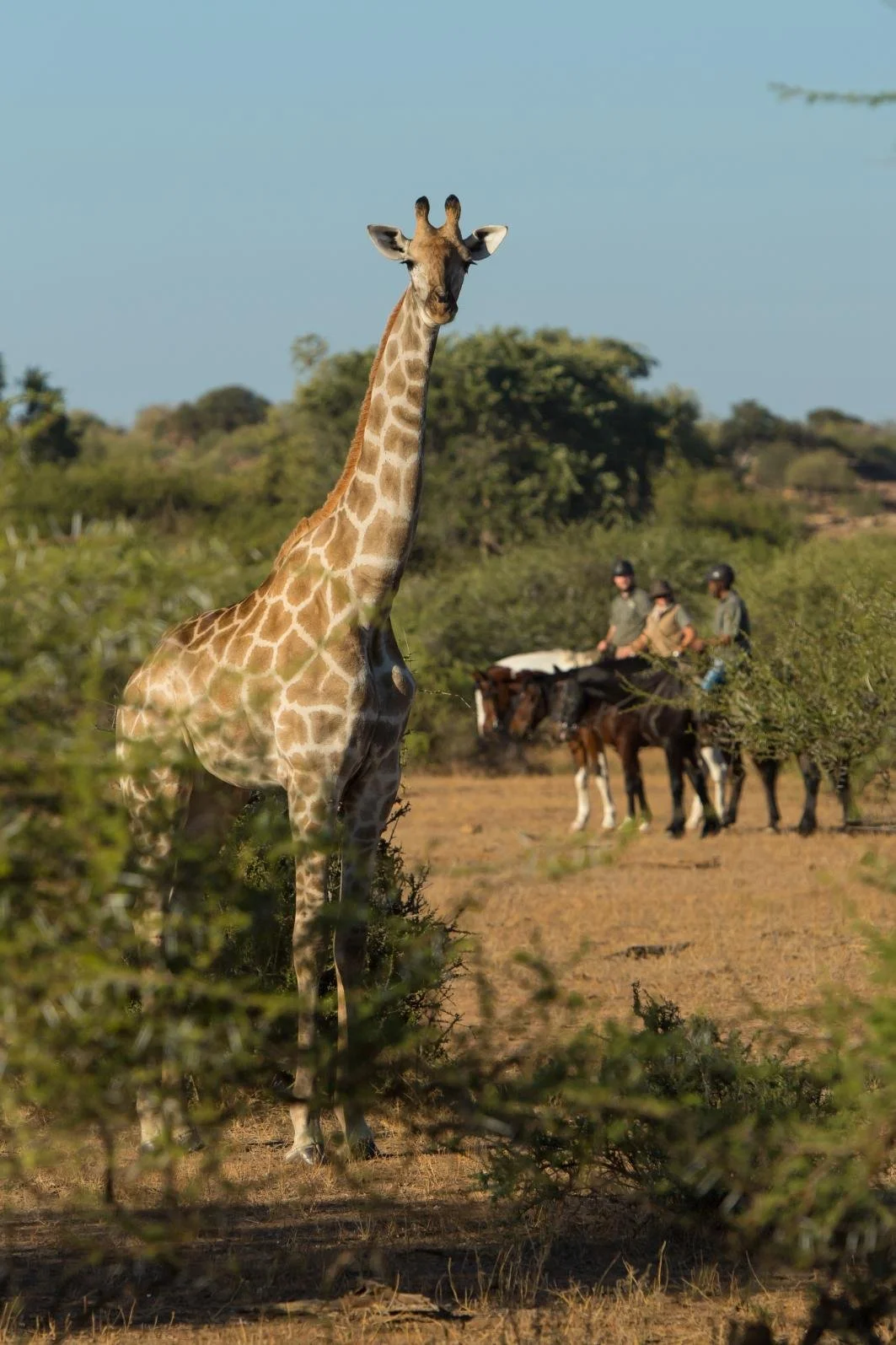
The Tuli Safari is available in two slightly different versions. Both follow an eight-day horseback journey through Mashatu Game Reserve, with the main differences being the number of nights spent at each camp and the routes taken on certain days.
The itinerary below is the Saturday-start version (Tuli Safari 1). If you prefer the Monday-start version, with a different distribution of nights between the camps, you can find the alternative itinerary in Tuli Safari 2.
Please note: The exact itinerary and accommodation may change due to weather conditions, logistics or other unforeseen circumstances.
Tuli Safari 1
-
Your Tuli adventure begins in Johannesburg, where you’ll be transferred to Lanseria Airport, which is a 40-minute drive away. From here, you’ll take a short flight to Limpopo Valley Airfield, arriving at the gateway to the Mashatu wilderness.
On arrival, you’ll head to the Horizon Horseback Mashatu stables, where a light lunch awaits beside the Limpopo River. After a safety briefing, you’ll meet your horse and get ready for your first ride.
Your horse will be carefully selected based on your riding experience and ability. Before setting off, you’ll complete a short riding assessment to make sure you are balanced in the saddle and comfortable controlling your horse independently. This is an important part of the introduction to the safari, as days can be long and with elephants and big cats living in the reserve, you need to be able to confidently control your horse when wildlife is nearby.
Your first ride covers around 11 kilometres from the stables to Two Mashatus Camp. Following the floodplains of the Limpopo River, you’ll get your first taste of riding through the Tuli wilderness, with opportunities to spot elephants, giraffe, zebra, ostrich and wildebeest along the way.
The route also passes a large wetland that attracts an abundance of wildlife, from waterbirds to smaller species such as bat-eared foxes, black-backed jackals and spotted hyenas. As you cross the Majali River near its confluence with the Limpopo, your guides will keep an eye out for signs of leopard and the resident lion pride.
From here, you’ll continue across the open plains towards the famous Two Mashatus Camp, where you’ll settle in for your first night beneath the Mashatu trees.
-
After an early breakfast, you’ll set off on your first full day in the saddle, riding through some of the wildlife-rich areas in the heart of Mashatu. Following the Majali and Mataboli Rivers, the route winds north-west towards the beautifully secluded Tree Camp.
The riverine landscape attracts a wealth of wildlife, so there are plenty of opportunities to encounter elephants, waterbuck, giraffe, impala, wildebeest and zebra along the way. Your guides will also keep an eye out for signs of the many predators that inhabit these areas, making every turn in the trail an exciting one.
The ride takes around four to five hours, giving you plenty of time to settle into the rhythm of your horse and the landscape. As the hours pass, the outside world begins to feel further away and the sense of adventure starts to take over.
You’ll arrive at Tree Camp in time for a refreshing shower and lunch, followed by some time to relax in the shade of the surrounding Mashatu trees. In the afternoon, you’ll head out on a guided bush walk along the Majali River in search of crocodiles and other wildlife. Kudu, warthog, klipspringer and eland are often found in the area, while elephants, lion and hyena also roam the surrounding wilderness.
With birdsong filling the air and the river winding through the landscape, Tree Camp offers a beautiful opportunity to slow down and fully immerse yourself in the African bush.
-
Waking up at Tree Camp is a special experience. Surrounded by birdsong and the first light filtering through the Mashatu trees, you’ll enjoy a quick breakfast before setting off on one of the longest rides of the safari.
The route climbs towards a small escarpment before descending into the Valley of the Elephants. Following well-worn elephant trails, you’ll ride past giant baobabs and shallow watering pans, with your guides keeping a close eye out for elephants along the way.
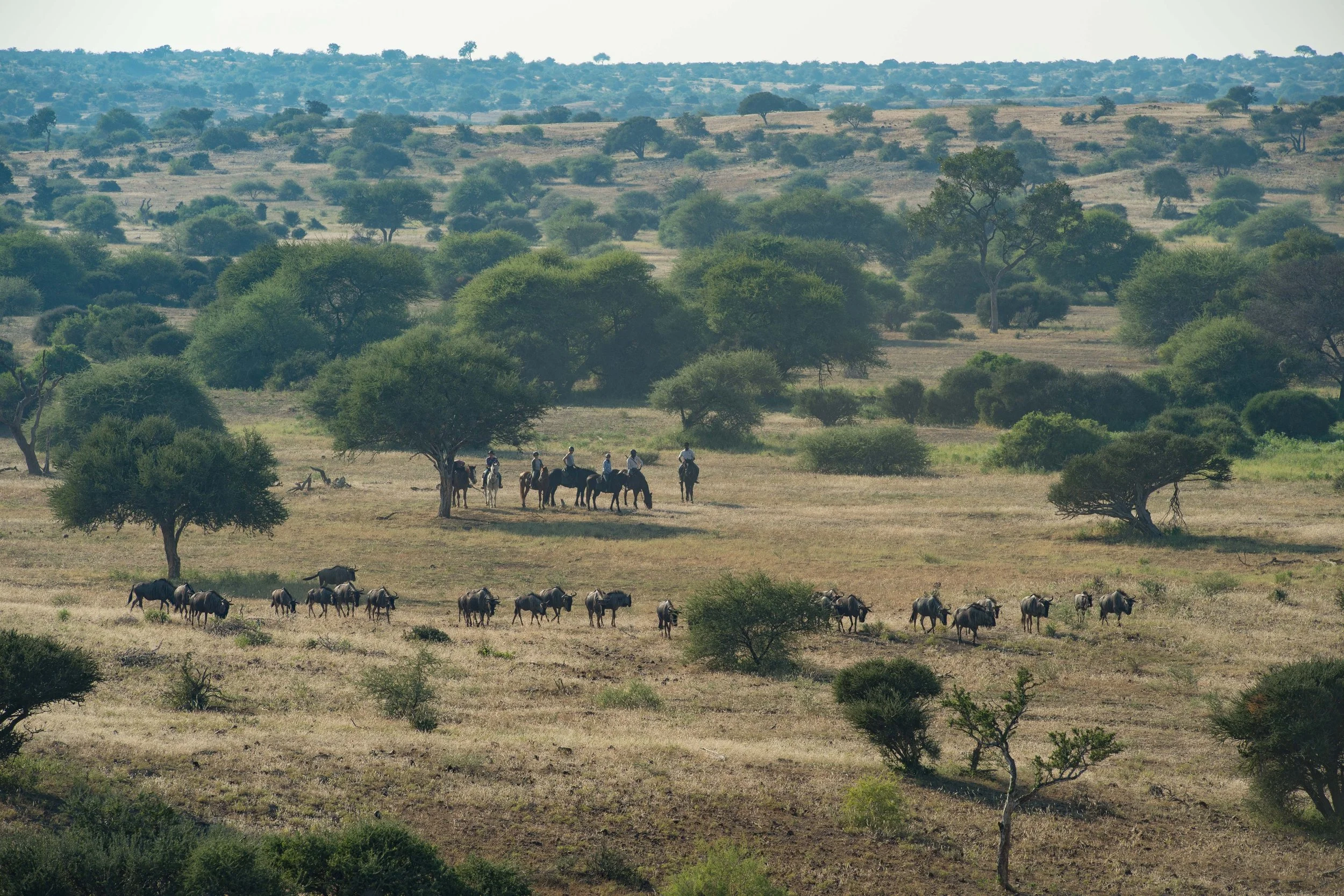
As the landscape opens up, there are opportunities for a faster pace across the plains, where large herds of zebra, wildebeest and impala are often seen. The route eventually leads towards The Kgotla, an old leadwood enclosure once used as a traditional law court by a nearby Botswana community.
Located close to the Motloutse River, Kgotla offers a unique setting for your overnight stay, with lion and hyena often found in the surrounding floodplains. In the afternoon, you’ll head out on a game drive in search of the area’s resident lions before stopping for sundowners among the ancient Amphitheatre rock formations.
Back at Kgotla, dinner is served around the campfire. With the stars above and the sounds of the African bush around you, you’ll spend the night completely immersed in the wilderness.
-
Today offers a more relaxed day in the saddle, with no need to reach another camp by nightfall. You’ll follow the Motloutse River, stopping at well-known elephant drinking holes where you can watch herds coming and going before continuing towards the impressive Solomon’s Wall.
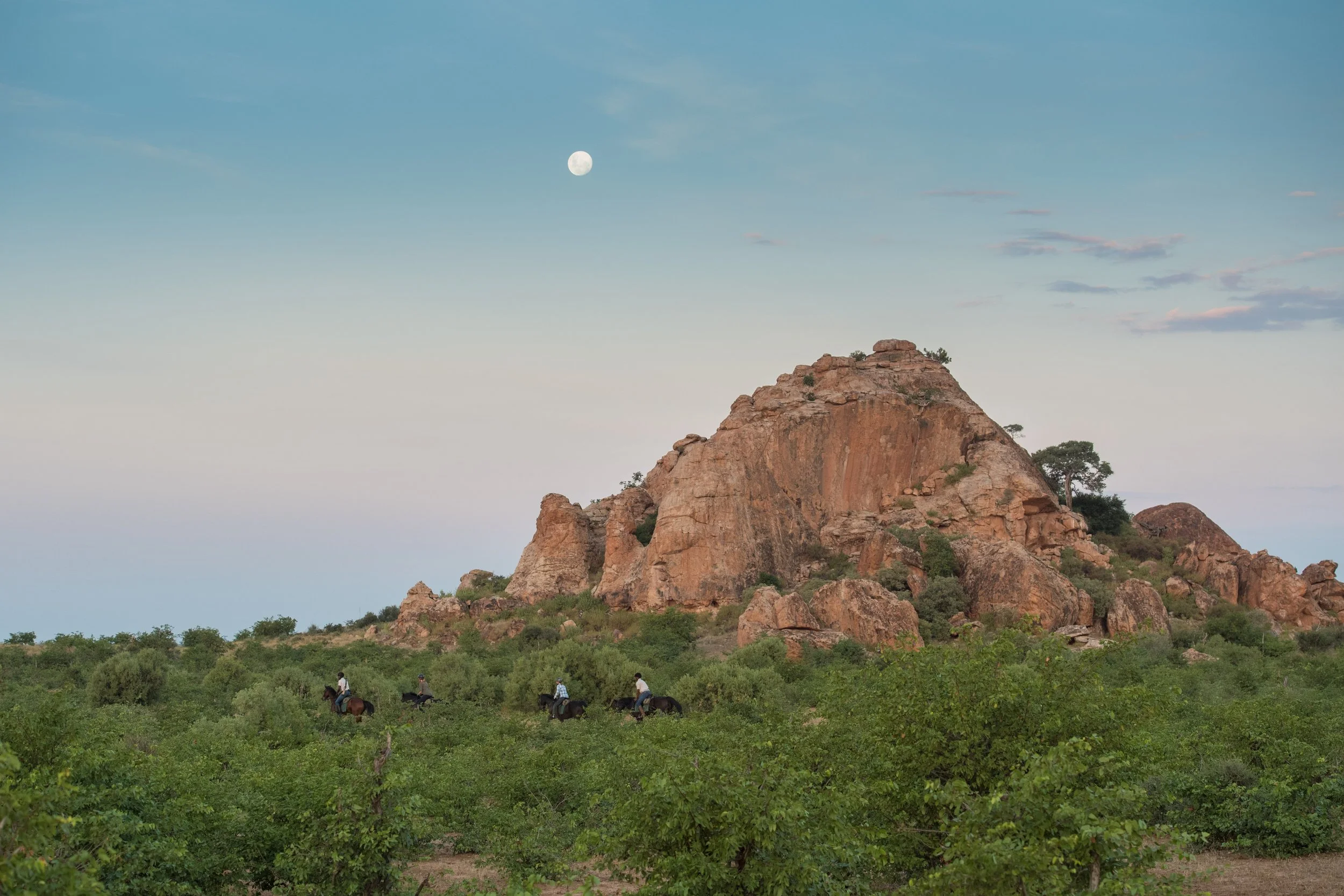
The trail winds along the river beneath towering Mashatu and leadwood trees before opening up towards dramatic sandstone formations. The colourful rock landscape is home to eland, klipspringer and kudu and creates a beautiful setting for a slower-paced day of riding.
In the afternoon, you’ll head out on a game drive towards the impressive Mamagwa massif. As the sun sets over the vast wilderness, you’ll enjoy sundowners with spectacular views before continuing back to Kgotla after dark, when there is another opportunity to spot predators such as lion, leopard and hyena.
-
Today the journey turns north-east as you leave Kgotla behind and follow a network of river trails back towards the centre of the reserve. In this dry landscape, wildlife naturally gathers around water, creating plenty of opportunities to encounter elephants, zebra, giraffe and wildebeest along the way.
The route crosses higher ground, where sweeping views open up across the wilderness of Mashatu. Ancient baobabs dot the landscape before the trail descends towards the Majali River. Here, the riding becomes a mixture of relaxed trekking along elephant trails and faster canters across the open mopane plains.
The final stretch follows the Majali River, passing rocky pools, dramatic cliffs and ribbons of green vegetation. Keep an eye out for baboons, kudu, klipspringers and crocodiles along the riverbanks before arriving at Tree Camp after around four to five hours in the saddle.
In the afternoon, your horses will enjoy a well-earned rest while you can choose between a guided bush walk or, subject to availability and at an additional cost, a game drive with guides from Mashatu Main Camp. This is an excellent opportunity to search for lion and leopard, with the possibility of seeing cheetah as well.
-
An early start from Tree Camp takes you along a ridge near the centre of the reserve, where the morning light opens up sweeping views across the wilderness to the east and south.
The trail then descends towards the Majali River, where deep pools attract baboons, impala and large herds of elephants coming down to drink, play in the water and cool off in the dust.
The final stretch crosses open plains, with opportunities for some faster canters, before following the cooler riverine vegetation towards Two Mashatus Camp. Nestled among giant Mashatu and apple-leaf trees near the Limpopo River, the camp lies in one of the areas with the highest concentration of elephants in the reserve. Lion, leopard, baboon, bushbuck and waterbuck can also be found in the surrounding area.
After four to five hours in the saddle, you’ll have the afternoon to relax at camp and cool off in the swimming pool.
-
Your final full day in Mashatu takes you into the wildlife-rich areas along the Majali and Pitsani Rivers. The northern part of the route opens up into wide plains, creating opportunities for relaxed riding and, when conditions allow, some faster canters.
The guides follow the movements of the herds throughout the day while keeping a close eye out for signs of the reserve’s big cats. Wildlife encounters are never predictable, making every ride a little different.
In the afternoon, you can choose between a guided bush walk or a shorter ride, perhaps towards the Limpopo River where elephants are often seen crossing.
It’s a relaxed final day in the saddle and a chance to take in the Tuli wilderness one more time before your journey comes to an end.
-
After a quick breakfast, you’ll set out on your final ride of the safari. The route follows the edge of a ridge through the heart of the reserve, offering sweeping views across the wilderness in the early morning light.
From there, you’ll descend towards the wildlife-rich Majali River, where deep pools attract baboons, impala and, when the herds come down to drink, elephants. Watching these magnificent animals gather around the water is a memorable final wildlife encounter.
The last stretch of the ride crosses open plains, where there may be opportunities for some faster canters. Keep an eye out for some of Mashatu’s other wildlife along the way, including ostriches, kori bustards – Africa’s largest flying birds – and bat-eared foxes.
Back at the stables, there will be time for a shower and a meal beside the Limpopo River before your transfer to Limpopo Valley International Airport. From here, you’ll fly back to Johannesburg, bringing your African Explorer adventure to an end.
Tuli Safari 2
-
Your adventure begins with a flight from O.R. Tambo International Airport in Johannesburg to Limpopo Valley Airfield, located within the Mashatu Game Reserve. From the airfield, you’ll make your way to the Horizon Horseback Mashatu stables, where a light lunch is served beside the Limpopo River.
After a safety briefing, you’ll meet your horse and prepare for your first ride. Horizon carefully matches each rider with a suitable horse based on their experience and ability. You’ll also complete a short riding assessment before setting off, checking that you are balanced in the saddle and able to control your horse independently. Confident riding skills are important throughout the Tuli Safari, as the days involve several hours in the saddle and you may encounter elephants and big cats at relatively close range.
Your first afternoon in the reserve takes you from the stables to Two Mashatus Camp, covering around 11 kilometres along the Limpopo River floodplains. This first ride offers an exciting introduction to the wildlife of Mashatu, with opportunities to see elephants, giraffe, zebra, ostrich and wildebeest.
The route also passes a large wetland that attracts a variety of game and you may spot smaller species such as bat-eared foxes, black-backed jackals and spotted hyenas. After crossing the Majali River near its confluence with the Limpopo, the trail continues across open plains towards Two Mashatus Camp, where you’ll spend your first night in the Tuli wilderness.
-
An early breakfast marks the start of your first full day in the saddle. Following the Majali and Mataboli Rivers, you’ll ride north-west through the central areas of the reserve towards Tree Camp.
The riverine landscape is rich in wildlife, with regular opportunities to encounter elephants, waterbuck, giraffe, impala, wildebeest and zebra. Your guides will also be alert to signs of predators, which inhabit these waterways and the surrounding bushveld.
After around four to five hours of riding, you’ll arrive at Tree Camp, where lunch and a refreshing shower await. Set beneath the shade of the magnificent Mashatu trees, the camp offers a welcome opportunity to slow down and enjoy your surroundings.
In the afternoon, you’ll leave the horses to rest and join a guided bush walk along the Majali River. Keep an eye out for crocodiles and other wildlife, while kudu, warthog, klipspringer and eland can often be found around the camp. With elephants, lion and hyena also roaming the area, even a quiet walk through the bush can bring unexpected encounters.
As evening approaches, you can simply relax at camp and take in the sounds of the wilderness around you.
-
After an early breakfast at Tree Camp, you’ll set out on one of the longest rides of the safari. The route climbs towards a small escarpment before descending into the Valley of the Elephants, where ancient elephant paths wind through the bush beneath giant baobabs.
The pace is deliberately slower through this first section, giving your guides time to watch for elephants around the watering pans and along the river. As the landscape opens up, the horses can pick up the pace across softer ground before the trail continues towards the Motloutse River.
From here, you’ll cross open mopane plains towards the Sacred Rock massif, where large herds of zebra, wildebeest and impala are often seen. The route eventually leads to The Kgotla, an old leadwood enclosure that once served as a traditional meeting and law court for a nearby Botswana community.
Set close to the Motloutse River, Kgotla is surrounded by fertile floodplains and abundant wildlife. Lion and hyena are particularly common in the area, and their calls can often be heard around camp after dark.
In the afternoon, you’ll head out on a game drive in search of the resident lions before stopping for sundowners among the ancient Amphitheatre rocks. While big cats can occasionally be encountered from horseback, Horizon Horseback follows a ride-away policy, making game drives the best way to observe lion, leopard, cheetah and spotted hyena more closely.
Back at Kgotla, dinner is served around the campfire. With a sky full of stars overhead and the sounds of the bush all around you, you’ll spend your first night completely immersed in the wilderness.
-
With no need to reach another camp today, the riding is more relaxed and can be adapted to the group. You’ll follow the Motloutse River, stopping at well-known elephant drinking spots where you can watch the herds gather around the water.
The trail then winds past Solomon’s Wall and continues beneath giant Mashatu and leadwood trees towards the Limpopo. Along the way, the landscape becomes increasingly dramatic, with colourful sandstone formations rising from the valley. Eland, klipspringer and kudu can often be found among the rocks and surrounding bush.
In the afternoon, you’ll head out on a game drive towards the impressive Mamagwa massif. As the sun begins to set, you’ll stop at the western edge of the formation for sundowners overlooking the vast wilderness.
The drive back to Kgotla takes place after dark, offering another opportunity to spot nocturnal wildlife and predators such as lion, leopard and hyena before returning to camp for the evening.
-
Today’s ride begins with some of the fastest riding of the safari, taking advantage of the sandy terrain in the western part of the reserve. After a few long canters across the open ground, the route climbs over a dramatic rocky massif that cuts through this part of Mashatu.
The horses are led by hand for a short section through the rocks before descending towards the plains on the other side. From here, there is another opportunity for a canter before reaching the banks of the Limpopo River.
In the shade of the riverbank, a memorable bush breakfast awaits. After breakfast, there is time to water the horses before following the cooler riverside trails back towards Kgotla Camp.
You’ll arrive in time for a well-earned siesta before heading out again in the afternoon for a game drive towards the Amphitheatre. As the sun sets over the wilderness, you’ll stop for sundowners with spectacular views stretching across the landscape.
-
On this day the journey turns northeast and follows a series of river trails on the way back to the centre of the reserve. Life in this arid environment is always concentrated near water, and the ride promises sightings of elephant, zebra, giraffe and wildebeest. The route crosses the watershed and then winds along ancient paths adjacent to a stream flowing north towards the Majali River. At these elevated heights, the sweeping views to the north reveal the true wilderness character of Mashatu Game Reserve. Baobab trees scatter the landscape as they have for centuries, and remarkably two of these giants are found growing directly in the stream itself. This provides an excellent spot for both horses and riders to stop for a rest and a drink.
The remainder of the day’s riding is a mixture of elephant trail trekking and canters across relatively open mopane veld. The final stretch is along the Majali River itself, past rocky pools, cliff faces and ribbons of green grass. Encounters with baboon, kudu, klipspringers and crocodile are likely. Tree Camp is finally reached after 4-5 hours of riding.
That afternoon guests leave their horses to a well earned rest and will go either on a guided bush walk or, subject to availability, a game drive with Mashatu Main Camp guides. This opportunity, while provided at an extra cost, should not be missed as the near guaranteed sightings of lion and leopard, and sometimes of cheetah, are legendary. The guides are very knowledgeable about the structure and whereabouts of the various prides and individuals and failure to find them is very rare indeed.
-
An early start from Tree Camp takes you along a ridge in the heart of the reserve, with beautiful morning views stretching across the wilderness to the east and south. The trail then descends towards the Majali River, where deep pools attract baboons, impala and, regularly, large herds of elephants coming down to drink and cool off.
From the river, the route opens out onto the plains, offering opportunities for some faster canters before entering the cooler riverine vegetation surrounding Two Mashatus Camp.
Set among giant Mashatu and apple-leaf trees close to the Limpopo River, Two Mashatus lies in one of the reserve’s most wildlife-rich areas. Elephants are particularly abundant here and may even wander through the camp, while lion, leopard, baboon, bushbuck and waterbuck can also be found nearby.
After four to five hours in the saddle, you’ll have the afternoon to relax at camp and cool off in the swimming pool, enjoying your final evening in the Tuli wilderness.
-
Your final morning in the Tuli wilderness begins with one last ride along the Limpopo River, following its course upstream towards the stables.
The route passes through wildlife-rich habitat, with the chance to spot a variety of species along the way. A large wetland attracts waterfowl, while the surrounding area is home to hyena, ostrich, bat-eared foxes and kori bustards; the largest flying birds in Africa.
On reaching the stables, you’ll have time for a shower and a final meal beside the Limpopo River before saying goodbye to your horse and the team.
From here, it’s a short transfer to Limpopo Valley Airfield for your flight back to Johannesburg, bringing your Tuli adventure to a close.
Accommodation
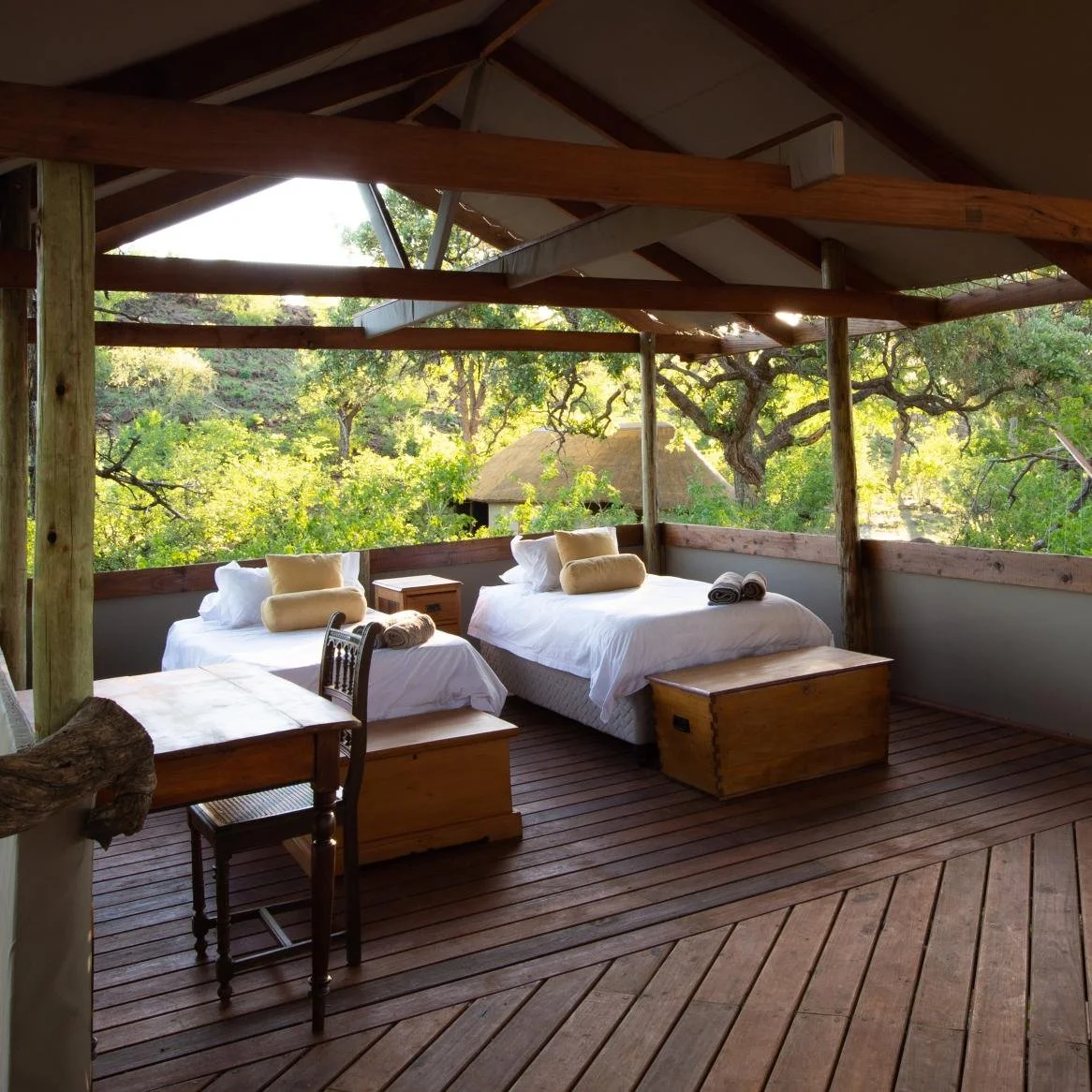
Tree Camp offers a truly unique stay in the Botswana bush. Built several metres above the ground around a giant Mashatu tree and two ancient leadwood trees, the camp overlooks the Majale River and the surrounding wilderness.
The sleeping areas are spacious canvas-covered spaces with four-poster beds, arranged around a central dining and relaxation area. Set high among the trees, the camp offers a wonderful perspective over the bush and a memorable way to experience the wilderness of Mashatu.
Tree Camp
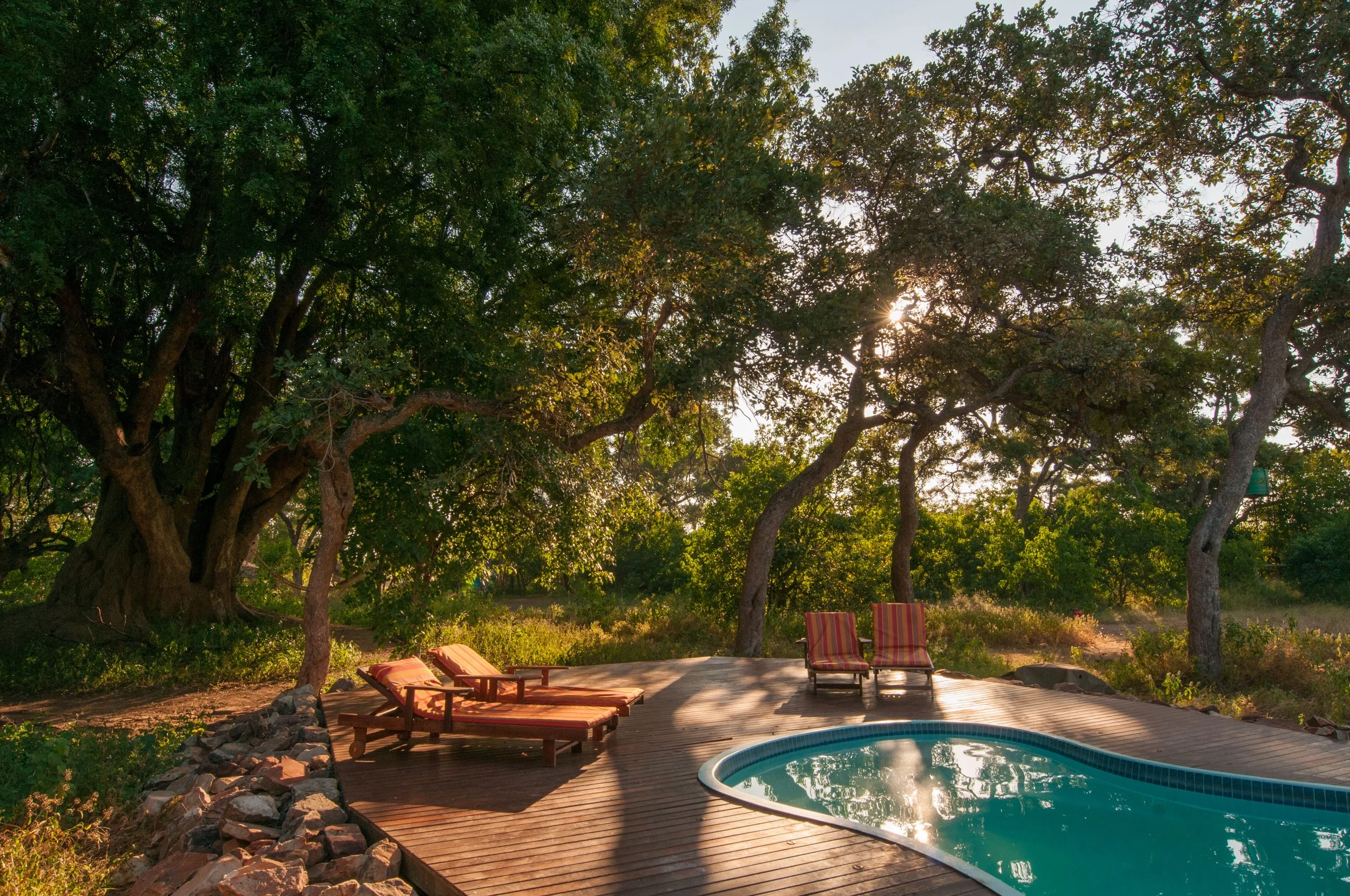
Two Mashatus Camp is nestled in the shade of large Mashatu trees, with traditional Lala palm rondavels providing the camp’s dining and lounge areas. The relaxed setting offers an authentic yet comfortable base in the heart of the reserve.
Accommodation is provided in spacious A-frame walk-in tents set on teak platforms. Each tent is private and has its own en-suite bathroom and a small deck where you can relax in the shade of the surrounding trees.
Two Mashatus Camp
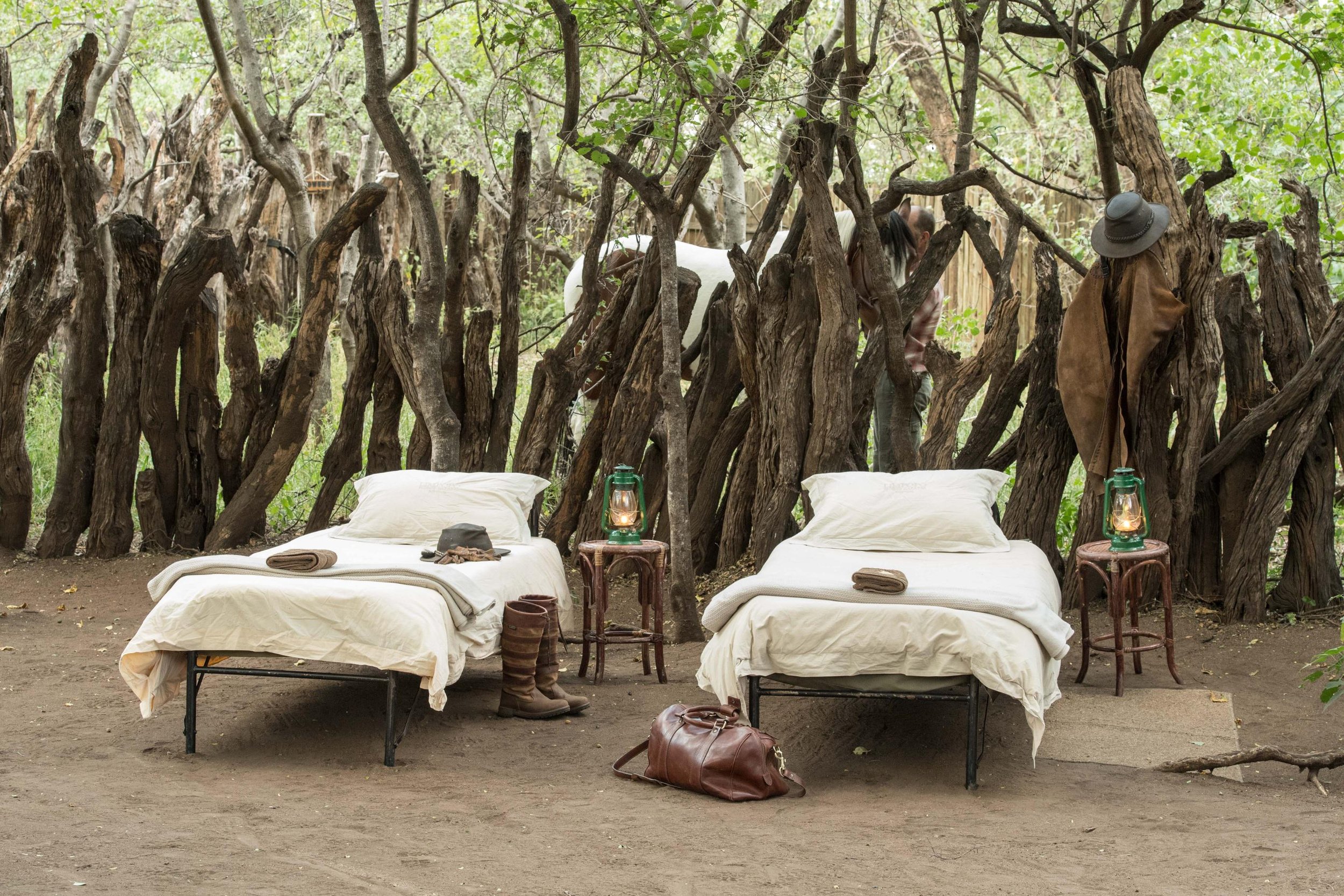
Kgotla Camp offers a more rustic and immersive bush experience. The camp is centred around an open-air boma made from leadwood logs, inspired by a traditional tribal court from a nearby community.
Guests sleep in individual sleeping pods arranged around a large log fire in the centre of the boma. With hot running water, open-air showers and flushing toilets, Kgotla combines an authentic wilderness experience with the comforts you need after a day in the saddle.
Kgotla Camp
Destination
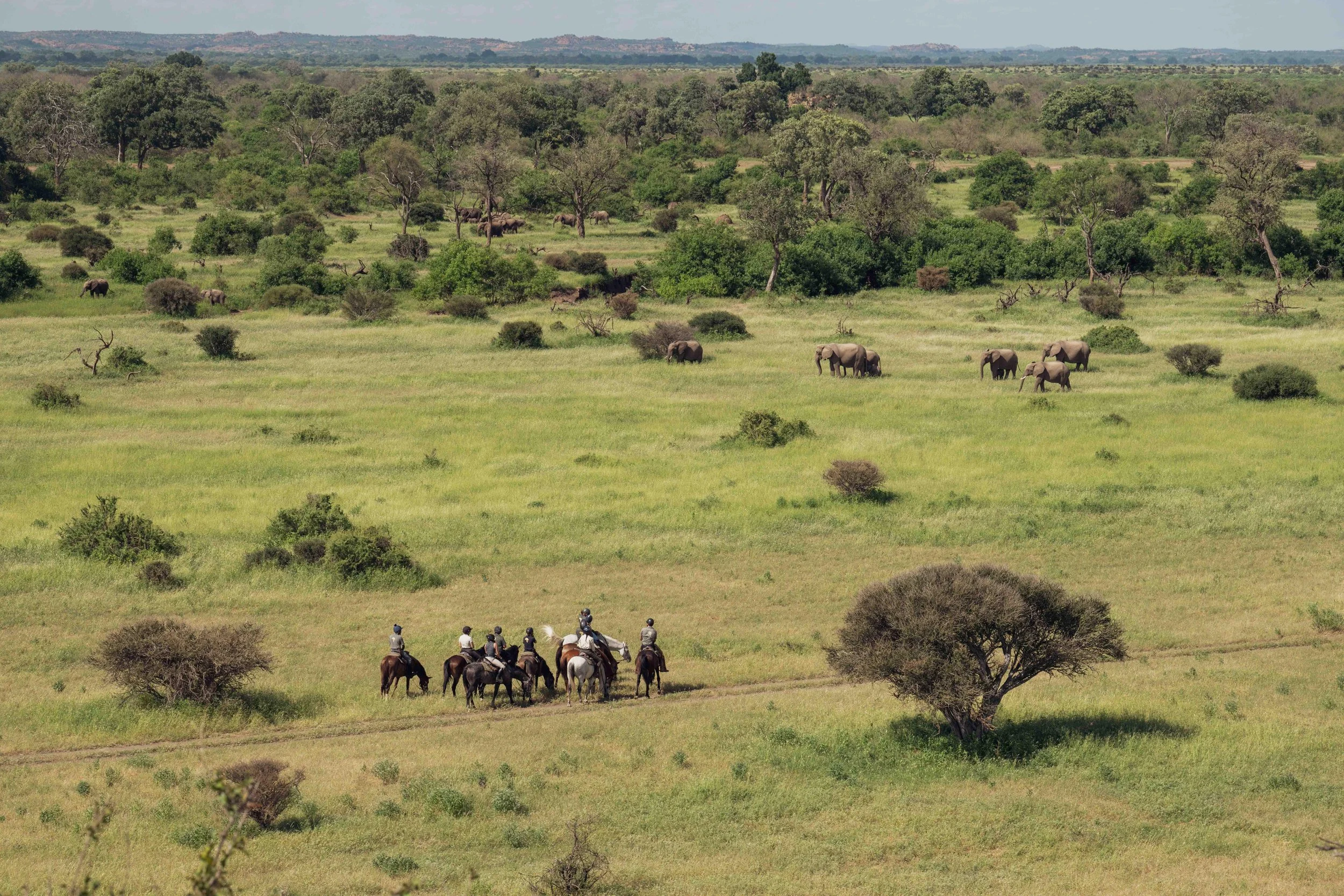
The Tuli region in eastern Botswana is a vast wilderness of open plains, ancient baobabs, rocky outcrops and winding river valleys. At its heart lies Mashatu Game Reserve, where the Limpopo, Majale and Motloutse Rivers provide vital water in an otherwise dry landscape, attracting large concentrations of wildlife.
The scenery changes throughout the reserve, from open mopane plains and ancient baobabs to dramatic sandstone formations and greener riverine areas. Elephants are particularly characteristic of the region, alongside giraffe, zebra, wildebeest and a wide variety of antelope. Lion, leopard, cheetah and hyena also roam the reserve.
From horseback, you experience this wilderness at a completely different pace. Following old elephant trails, crossing open plains and riding alongside the rivers allows you to become truly immersed in the landscape. The combination of vast wilderness, diverse scenery and abundant wildlife makes the Tuli region a remarkable destination for a horseback adventure.
Dates & Rates
-
Low season 3 - 30 January & 5 December - 4 January ‘27
€3585 per person sharing
€4480 per person single
Mid season 31 January - 27 February
€4240 per person sharing
€5725 per person single
High season 28 February - 4 December
€5025 per person sharing
€6785 per person single
-
Low season January, February, December
€3795 per person sharing
€4745 per person single
High season March - November
€5320 per person sharing
€7180 per person single
-
Transfers are not included in the safari price and can be booked in advance.
2026
Charter Flights from OR Tambo to Limpopo Valley Airfield - €470 each way, €940 total.
2027
Charter Flights from OR Tambo to Limpopo Valley Airfield - €525 each way, €1050 total.
Road transfers are available for groups, please enquire when booking.
NB. All prices are indicative and may vary due to exchange rate fluctuations.
Included
Accommodation
All meals and drinks while on safari
All riding activities
Personal and expert guiding
Game drives in the Kgotla area
Bush walks
Laundry
Excluded
Flights
Visas
Comprehensive Travel and Medical Insurance
Transfers
Botswana conservation levy (€20 pp per night)
Game drives in the Mashatu central area (€75 per person per drive)
Gratuities for camp staff and guides
Items of personal nature